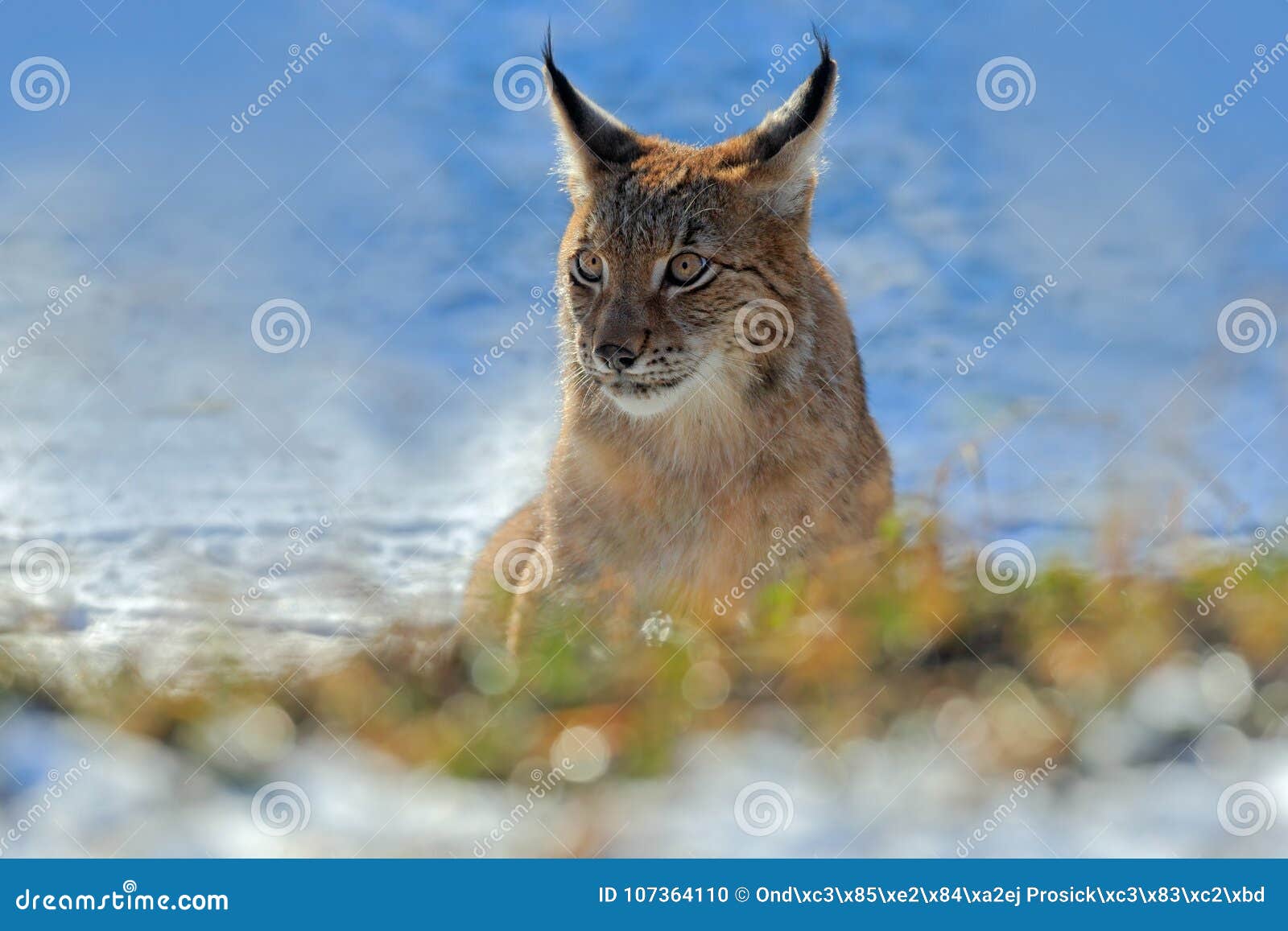
Bio7677 Food Chains Webs Pyramids Biomass Energy Cycle Biology Diagrams Snowshoe hare is the primary food of the lynx. The population cycles of these two species are closely linked. When hares are plentiful, lynx eat little else and take about two hares every three days. Lynx prey upon mice, voles, squirrels, grouse, ptarmigan and carrion when hares are scarce. These food sources often do not meet the lynx's nutritional needs.
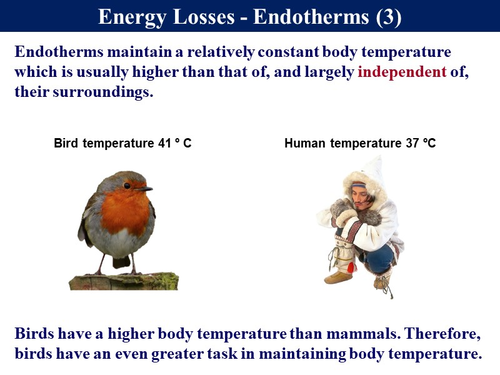
Polar bears are the top of the Arctic's land-based food chain. Their biggest threat to survival is not other species. Rather it is the changing environmental conditions brought on by climate

Food web in taiga Biology Diagrams
The cold climate and permafrost restrict the variety of plants, favoring hardy species like coniferous trees (spruce, pine, and fir) with adaptations like needle-like leaves to conserve water. Food Chain Dynamics. The wolf and lynx, as primary predators, maintain the population balance of herbivores such as moose and hares. Ecosystem

This article delves into the Maine lynx's physical traits, hunting techniques, reproductive behavior, and remarkable cold climate adaptations. Physical Characteristics. The Maine lynx, scientifically known as Lynx canadensis, is a medium-sized feline distinguished by its striking physical features.
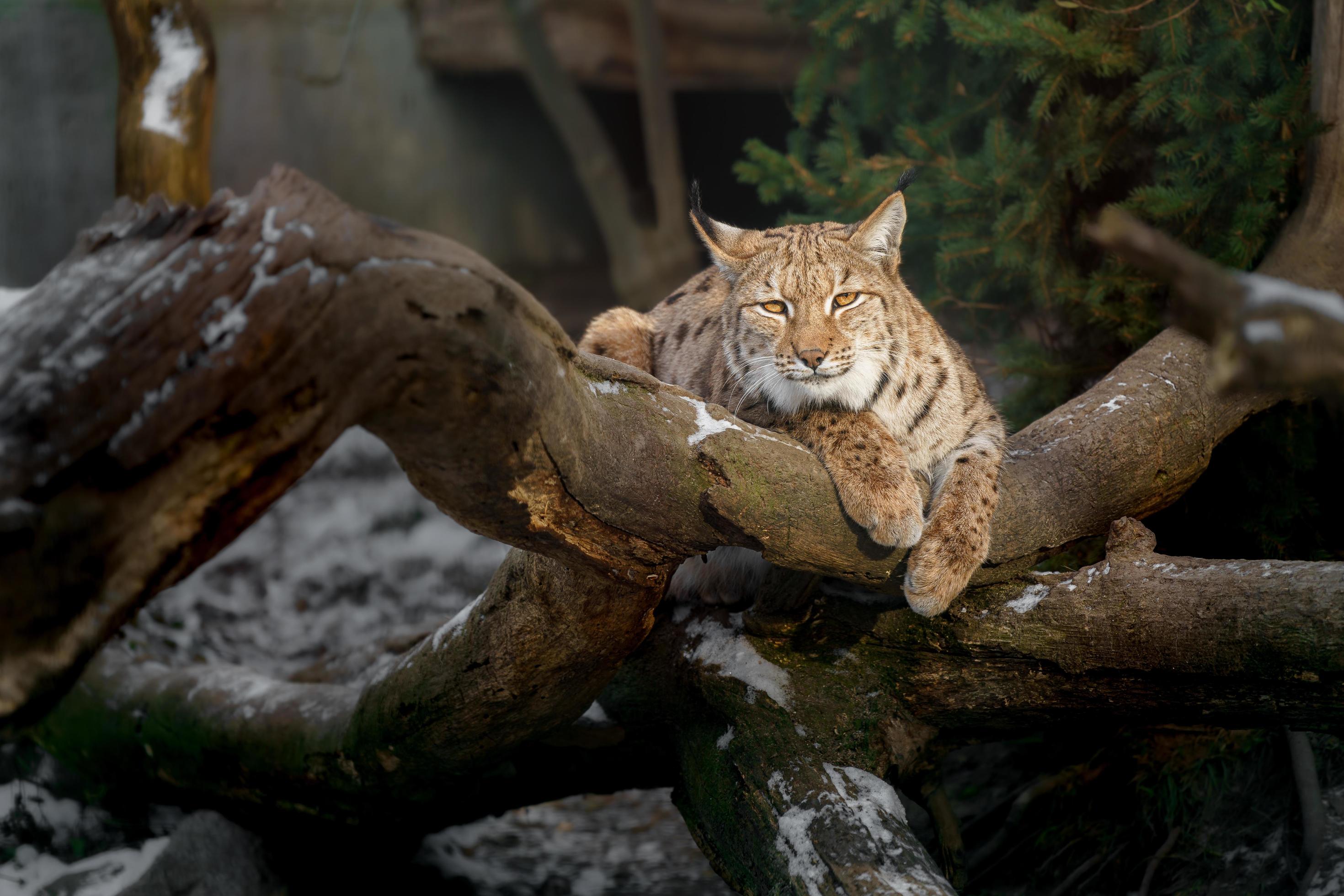
Maine Lynx: Traits, Behavior, and Cold Climate Adaptations Biology Diagrams
A taiga biome food web shows the feeding relationships and how energy flows between organisms at different trophic levels. 1. Producers: It mainly consists of coniferous trees like spruce, fir, and pine. These trees are well adapted to the cold climate, with needle-like leaves that reduce water loss through transpiration. 2.