Chapter 1 An Introduction to the Human Body Biology Diagrams Chapter Review Life processes of the human body are maintained at several levels of structural organization. These include the chemical, cellular, tissue, organ, organ system, and the organism level. Higher levels of organization are built from lower levels. Therefore, molecules combine to form cells, cells combine to form tissues, tissues combine to form organs, organs combine to form organ

Learn all about the human body's many systems and some of its individual organs, both vital and vestigial. Organs in the body each perform specific functions vital for life and overall well-being. They work in harmony within organ systems to maintain the body's homeostasis and facilitate growth, reproduction, and survival. Understanding what organs are, how they are organized, and their roles in the body provides insight into the intricacies of human anatomy. An organ system is a group of organs that work together to perform a complex function, such as pumping blood. All but one are necessary for survival.
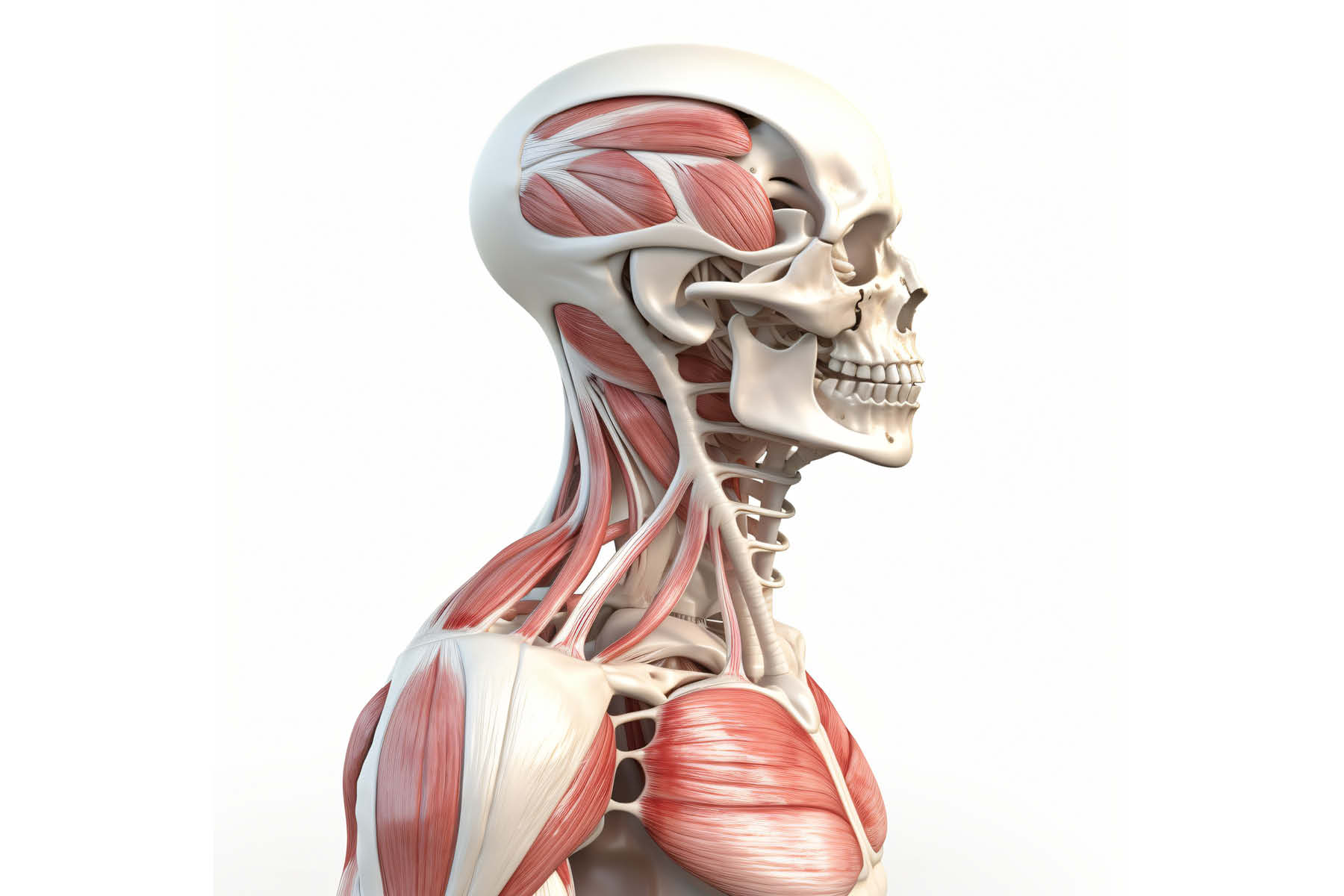
The 11 Body Organ Systems: Anatomy and Function Biology Diagrams
The human body is a complex system of organs, tissues, and structures that work together to sustain life. Each organ has a specific location and function, contributing to processes like circulation, digestion, and respiration. This page discusses the anatomy of the human body systems. Click now to learn everything about the all human systems of organs now at Kenhub!
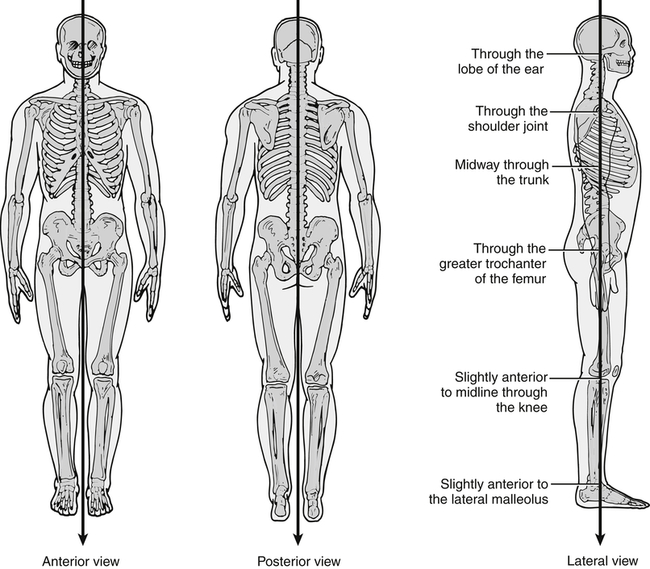
human body, the physical substance of the human organism, composed of living cells and extracellular materials and organized into tissues, organs, and systems. Human anatomy and physiology are treated in many different articles. Part 1: Body Systems An organ is an anatomically distinct structure of the body composed of two or more tissue types. Each organ performs one or more specific physiological functions. An organ system is a group of organs that work together to perform major functions or meet physiological needs of the body. The human body contains eleven distinct organ systems (Figure 1.1 and Figure 1.2
