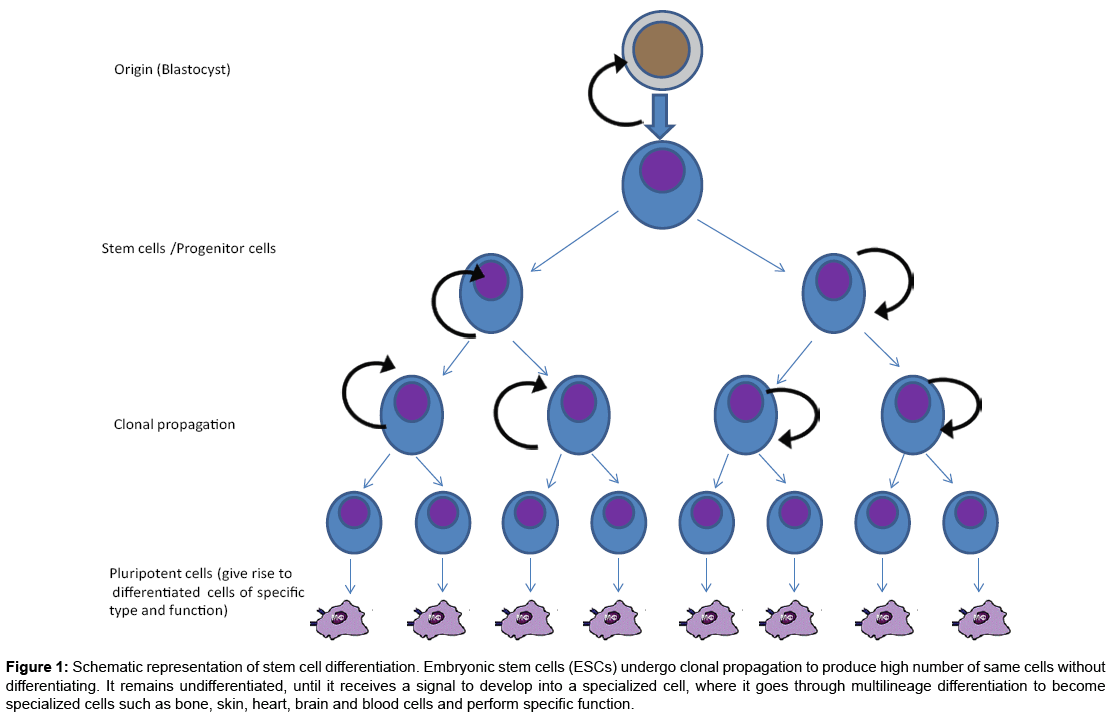
Designing stem cell niches for differentiation and self Biology Diagrams Cyclins, cyclin-dependent kinases and other components of the core cell cycle machinery drive cell division. Growing evidence indicates that this machinery operates in a distinct fashion in some mammalian stem cell types, such as pluripotent embryonic stem cells. In this Review, we discuss our curre …

The development of multicellular organisms relies on the temporal and spatial control of cell proliferation and cell growth. The relationship between cell-cycle progression and development is complex and characterized by mutual dependencies. On the level of the individual cell, this interrelationshi … Embryonic stem cells show unusual cell-cycle features: the duration of the S phase is comparable to somatic cells but they have remarkably short G1 and G2 phases (1-3).In somatic cells, the duration of G1 and G2 is determined by relative levels of Cdk kinase activity and other cell cycle-related proteins ().Many of these proteins, including Cyclin A, Cyclin B, Cdt1, Cdc6, and Geminin
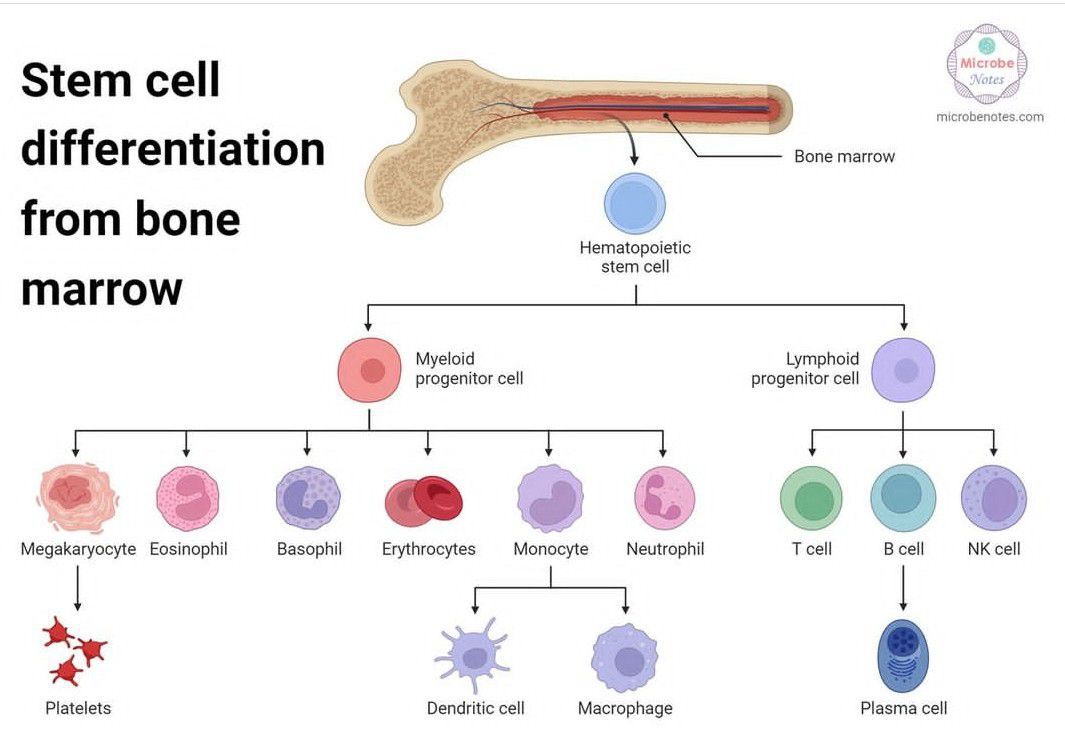
Cell cycle adaptations of embryonic stem cells Biology Diagrams
Human embryonic stem cells (hESCs) are uniquely dedicated to rapid, unrestricted proliferation ()(Thomson et al., 1998;Amit et al., 2000;Zwaka and Thomson, 2005).Within the blastocyst of the embryo as well as in culture, hESCs repeatedly traverse the cell cycle and undergo successive symmetrical cell divisions to provide structurally and functionally equivalent progeny cells to retain

A stem cell line is a group of cells that all descend from a single original stem cell and are grown in a lab. Cells in a stem cell line keep growing but don't become specialized cells. Ideally, they remain free of genetic defects and continue to create more stem cells.
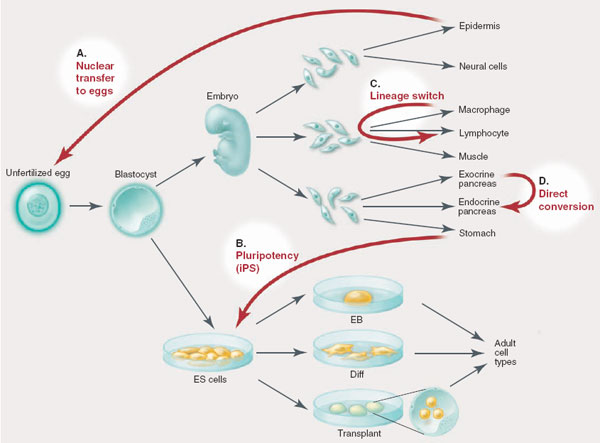
The cell cycle in stem cell proliferation, pluripotency and ... Biology Diagrams
Hence, this review will address key differences between an abbreviated cell cycle characteristic of embryonic stem cells, as compared with that of somatic cells. In addition, we will highlight differences in molecular organization of the cell cycle of mouse and human embryonic stem cells (hESCs) with the special focus on G1, S, and G2/M-phase