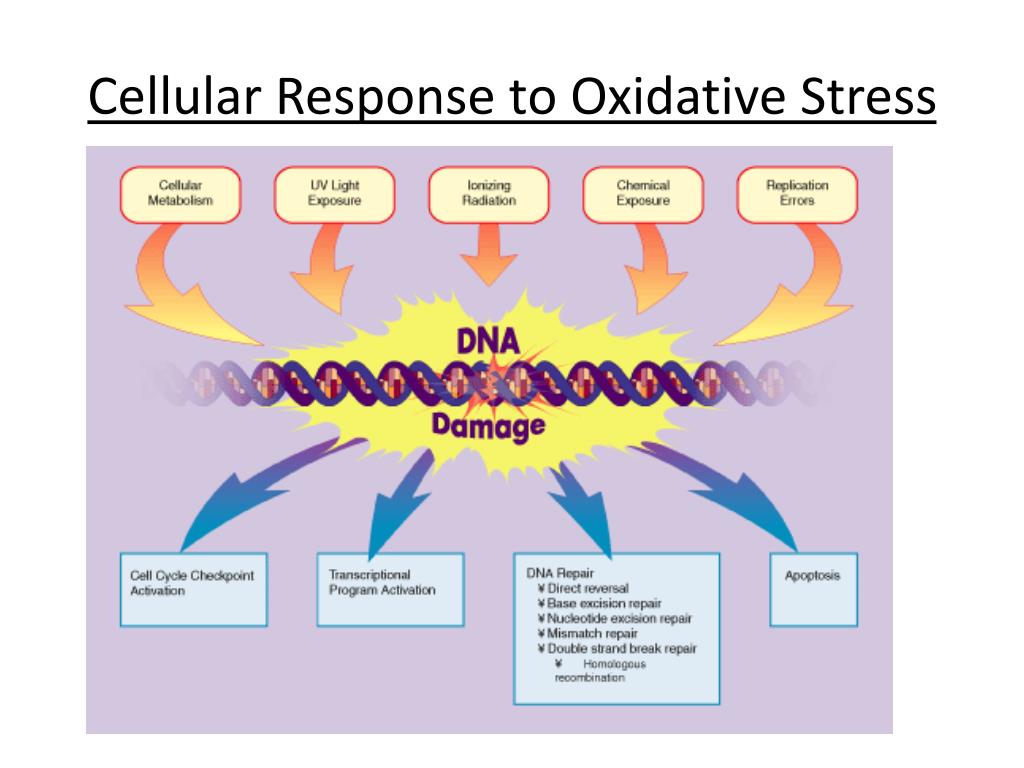
Schematic proposed mechanism of oxidative stress cell Biology Diagrams Oxidative stress, cell cycle, and neurodegeneration. Oxidative stress, cell cycle, and neurodegeneration J Clin Invest. 2003 Mar;111(6):785-93. doi: 10.1172/JCI18182. Authors Jeffrey A Klein 1 , Susan L Ackerman. Affiliation 1 The Jackson Laboratory, Bar

This results in oxidative stress that impairs cell viability (L et al., 2023). Oxidative stress, in turn, promotes excessive ROS production, causing severe damage to cellular lipids, proteins, and DNA. ROS participate in the oxidative modification of proteins, such as carbonylation, nitration, and disulfide bond formation.

Oxidative stress and cell cycle checkpoint function Biology Diagrams
In response to oxidative stress, cells typically undergo cell cycle arrest and enter the G 0 phase (i.e., a quiescent, non-dividing stage) due to activation of the p53-regulated cyclin-dependent kinase inhibitor p21, which halts cell cycle progression and inhibits DNA synthesis [23,24].

Oxidative stress was first demonstrated to damage living organisms in 1952, when Conger and Fairchild [14] demonstrated that increases in oxygen pressure could cause chromosomal aberrations in pollen grains. Since this time oxygen and ROS have been found to induce many types of DNA damage, including single- and double-stranded DNA breaks, base and sugar modifications, DNA-protein crosslinks
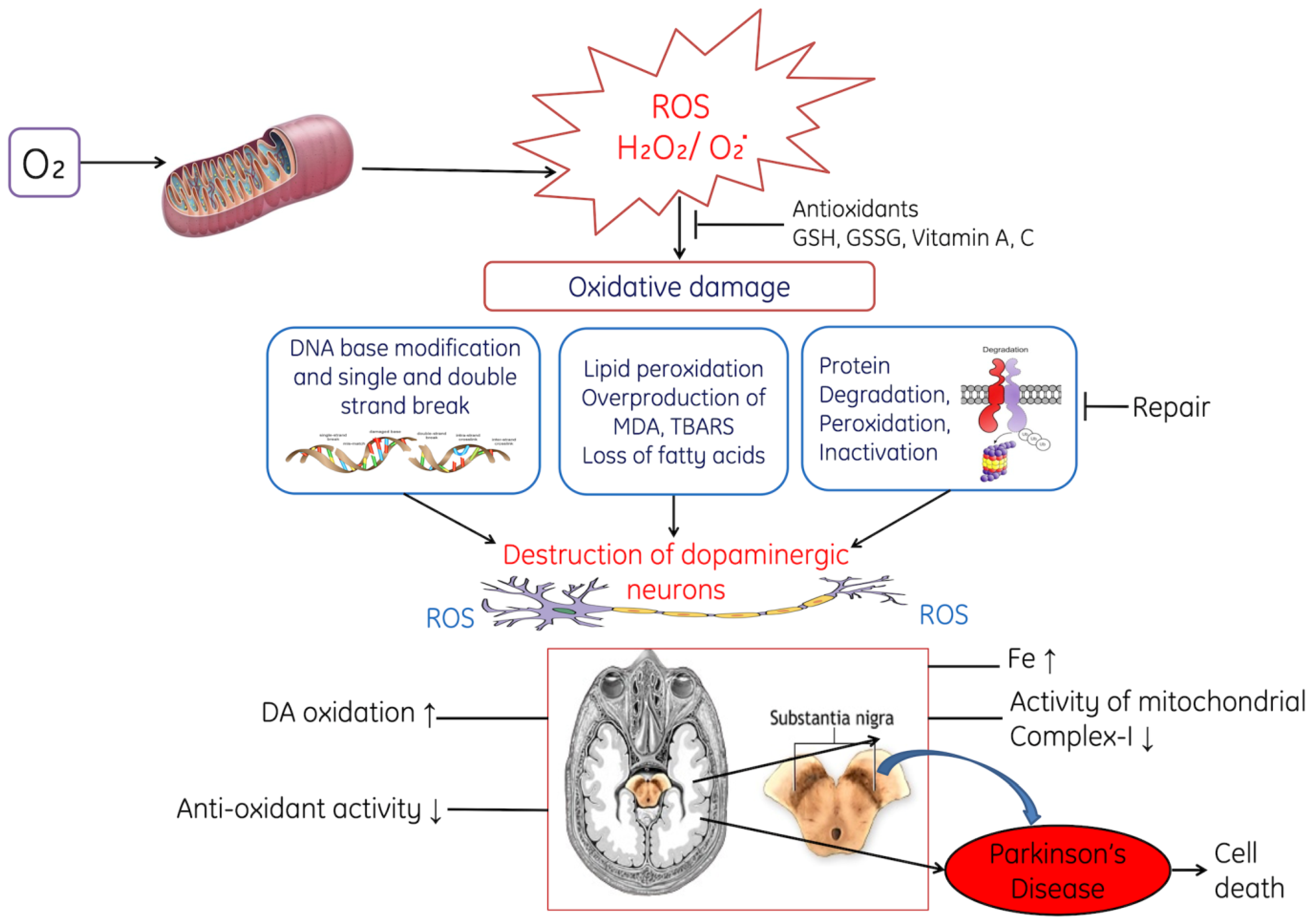
Oxidative stress and cell cycle checkpoint function Biology Diagrams
ROS, oxidative stress, and the redox state in general, may play an important role in controlling certain stages of the cell cycle. Indeed, the concept that redox state, ROS production, and progression into mitosis might be intertwined is an old one (Kawamura, 1960; Mazia, 1958), but the connection remains poorly understood, paradoxical, and sometimes conflicting. Oxidative stress is a phenomenon caused by an imbalance between production and accumulation of oxygen reactive species (ROS) in cells and tissues and the ability of a biological system to detoxify these reactive products. Prooxidant polyphenols seem to exert their cytotoxic activity by inducing apoptosis and cell cycle arrest via several