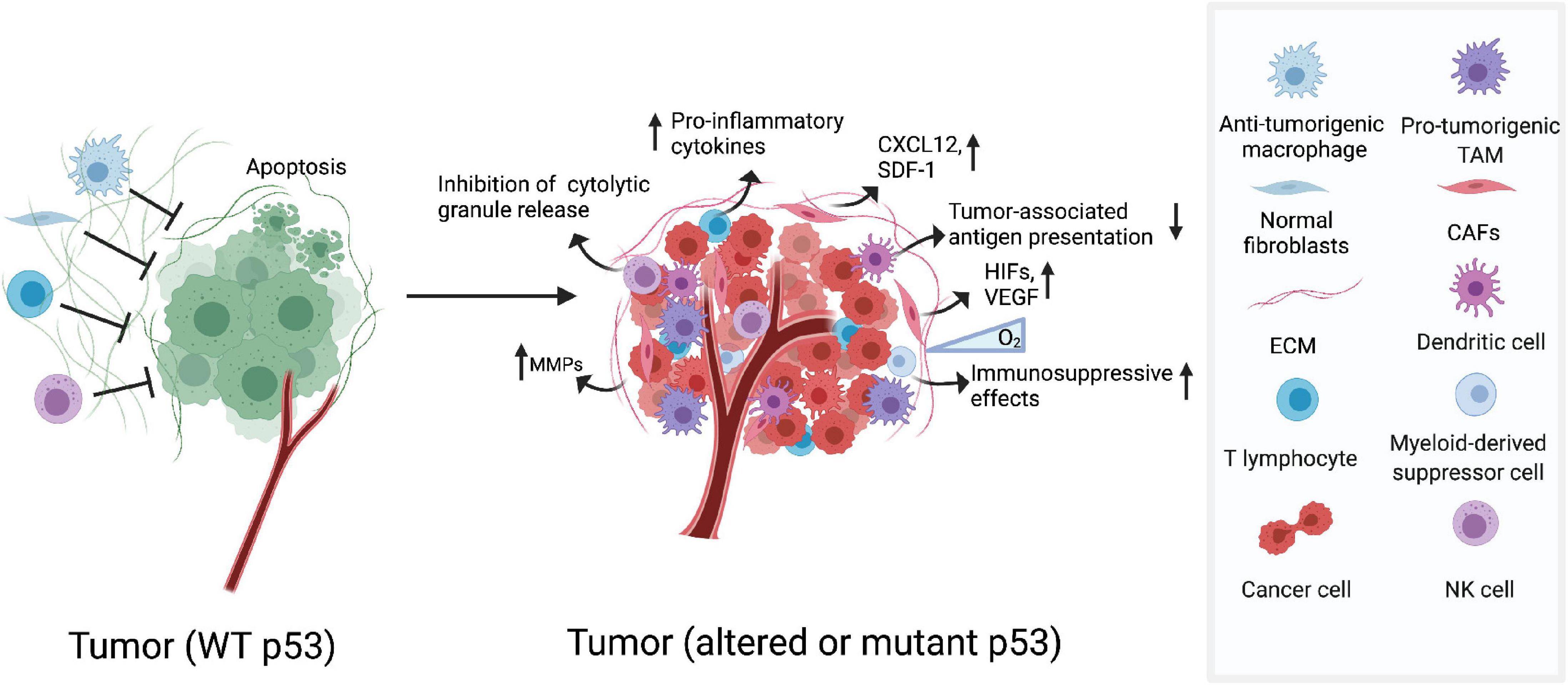
Targeting mutant p53 stabilization for cancer therapy Biology Diagrams "p53 is the most frequently mutated gene in cancer, but even more importantly, it is particularly mutated in some of the most aggressive cancers we currently have, such as small cell lung cancer, squamous cell lung cancer, triple-negative breast cancer, and high-grade serous ovarian cancer," said Michael J. Duffy, PhD, of the University In human cancer, p53 is the most frequently mutated gene. Around 50% of human cancers harbor p53 mutations [11-14]. In addition to p53 mutations, p53 function is frequently attenuated and the p53 signaling is dysfunctional in human cancers through multiple mechanisms,
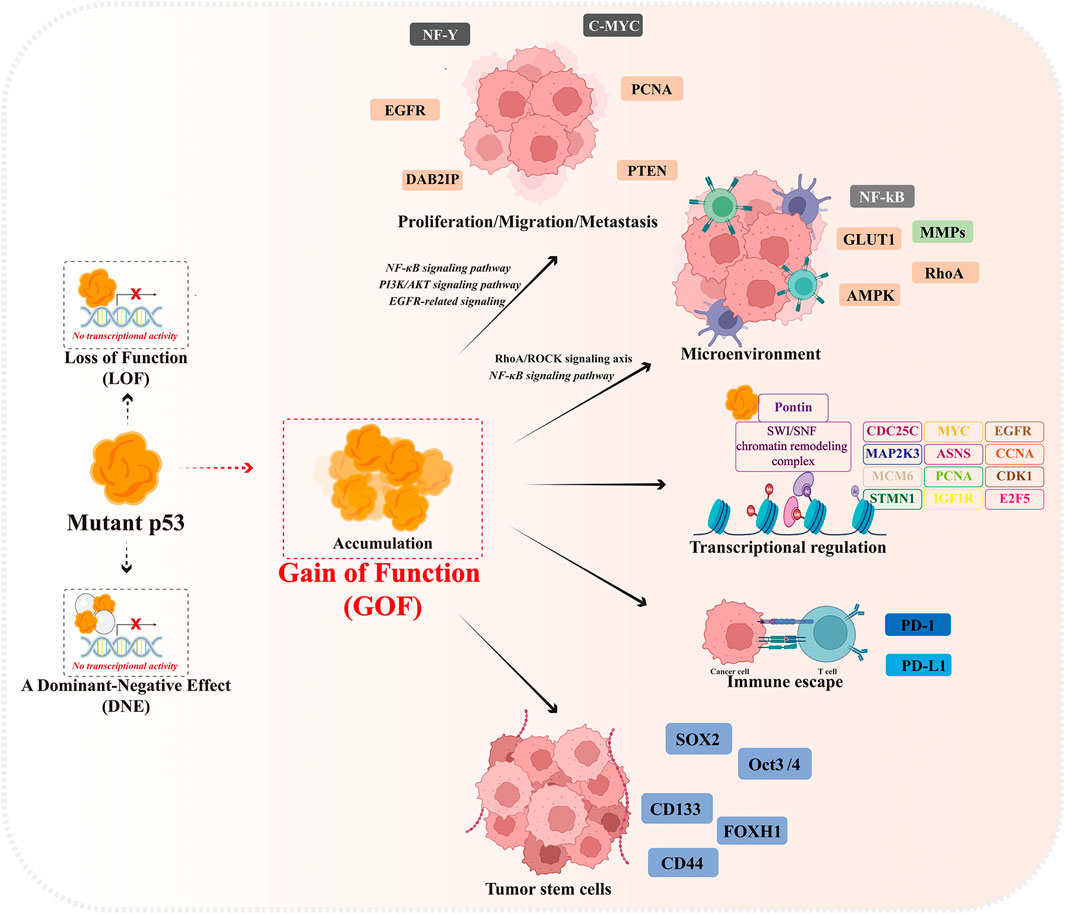
The p53 protein is a transcription factor known as the "guardian of the genome" because of its critical function in preserving genomic integrity. The TP53 gene is mutated in approximately half of all human malignancies, including those of the breast, colon, lung, liver, prostate, bladder, and skin. When DNA damage occurs, the TP53 gene on human chromosome 17 stops the cell cycle. If p53
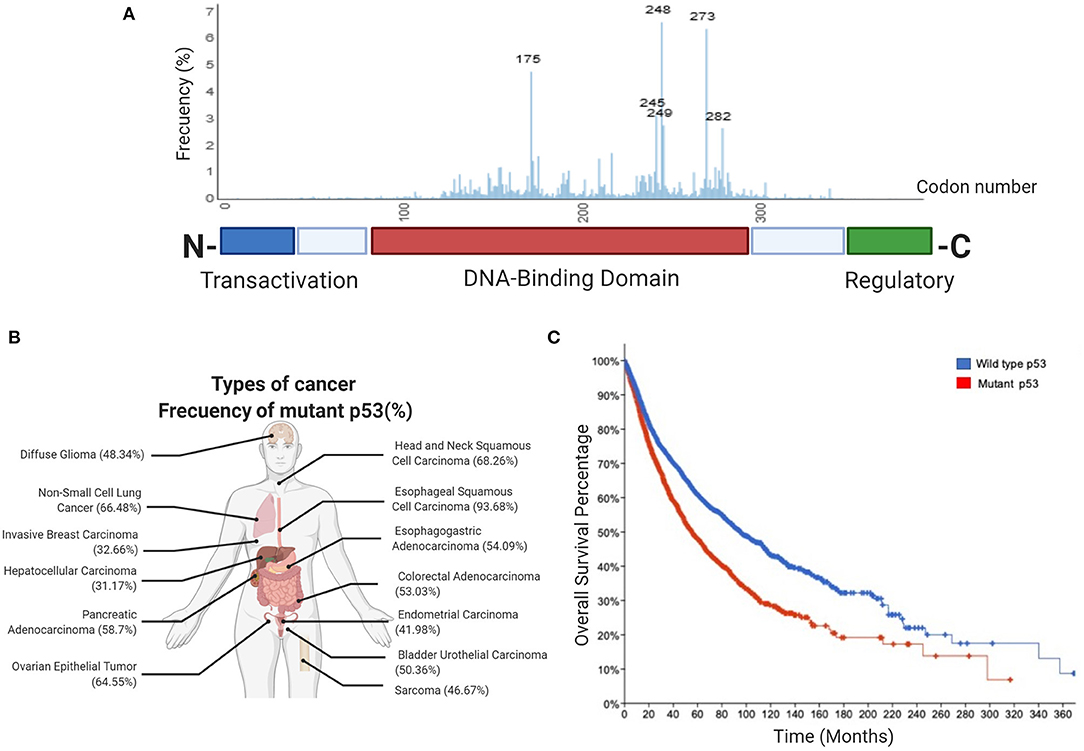
Mutant p53 in cancer: from molecular mechanism to therapeutic ... Biology Diagrams
TP53, a crucial tumor suppressor gene, is the most commonly mutated gene in human cancers. Aside from losing its tumor suppressor function, mutant p53 (mutp53) often acquires inherent, novel In most cases, the p53 gene is mutated, giving rise to a stable mutant protein whose accumulation is regarded as a hallmark of cancer cells. Mutant p53 proteins not only lose their tumor suppressive activities but often gain additional oncogenic functions that endow cells with growth and survival advantages.
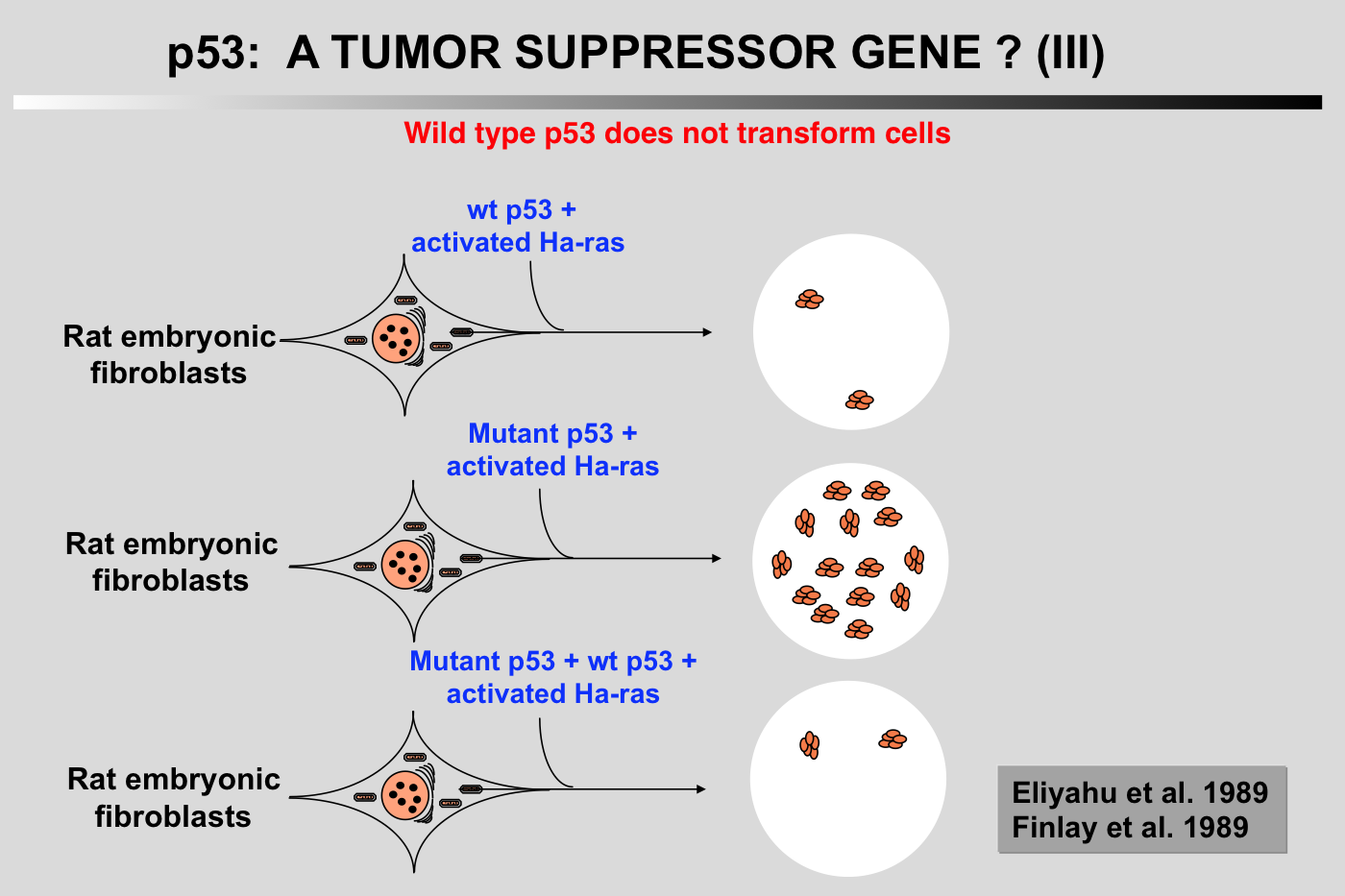
Abstract. TP53 is the most commonly mutated gene in human cancer with over 100,000 literature citations in PubMed. This is a heavily studied pathway in cancer biology and oncology with a history that dates back to 1979 when p53 was discovered. The p53 pathway is a complex cellular stress response network with multiple diverse inputs and downstream outputs relevant to its role as a tumor The p53 tumor suppressor is a transcriptional factor that controls a network of cellular processes essential for the maintenance of genomic integrity and prevention of malignant transformation. Ironically, p53 was initially described as an oncogene, and it took quite some time to realize that the protein found in tumors was a mutated version. The mutations are present from birth and affect every cell in the body. Genetic tests are now available that check for several germline mutations that increase cancer risk, such as mutated BRCA genes. Germline mutations in the TP53 gene are uncommon and associated with a specific cancer syndrome known as Li-Fraumeni syndrome.